- LET'S PLAN YOUR SAFARI
- +256 200 921 002
- +256 793 194 703
- info@gorillatrackingtours.com

Best Uganda Rwanda Gorilla Tracking Safaris
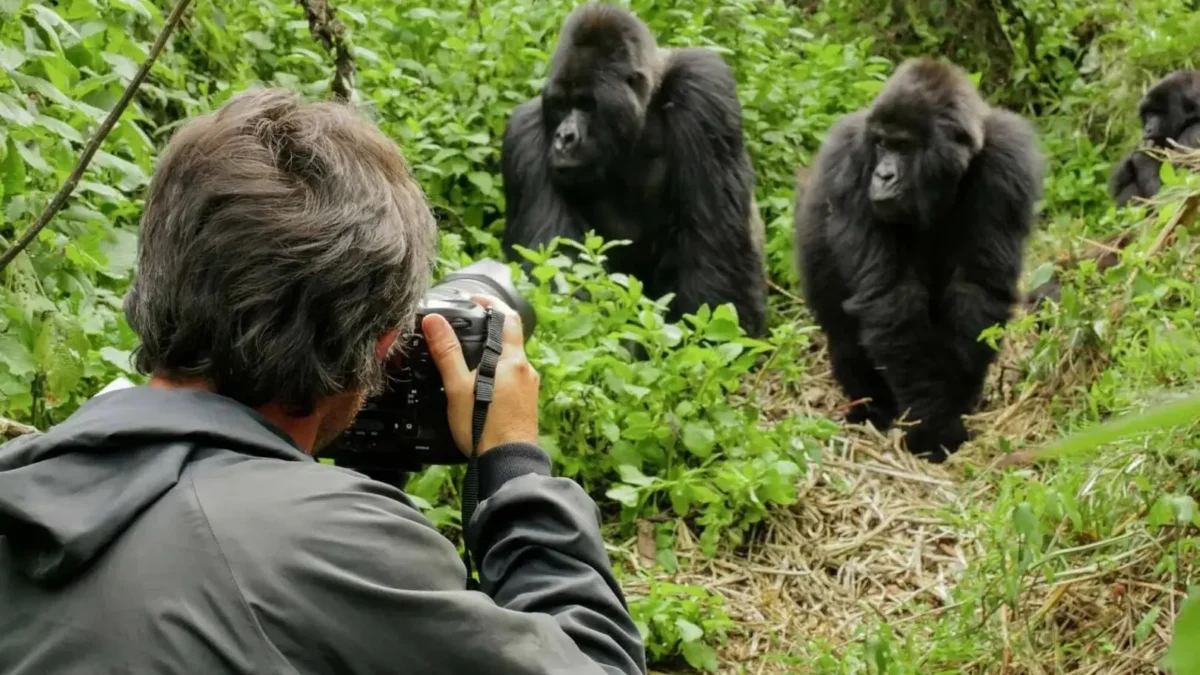
Best Uganda Rwanda Gorilla Tracking Safaris. Few travel experiences on earth compare to standing a few meters from a wild mountain gorilla family in the misty forests of East Africa. If you have been dreaming about a gorilla tracking safari in Uganda and Rwanda, you are looking at two of only three countries in the world where this is possible. At Gorilla Tracking Tours, we specialize in designing affordable, well-organized gorilla safaris that take the guesswork out of planning — from choosing the right national park to securing your gorilla permit and building an itinerary that fits your time and budget.
This guide walks you through everything you need to know to plan the best Uganda Rwanda gorilla tracking safari: where to go, when to go, what to expect on the trek, how much it costs, and how to combine gorilla trekking with a wider wildlife safari across East Africa.
Why Uganda and Rwanda Are the World’s Best Gorilla Tracking Destinations
Mountain gorillas survive in only two isolated ecosystems on the planet: the Virunga Massif, shared by Uganda, Rwanda, and the Democratic Republic of Congo, and the Bwindi Impenetrable Forest in southwestern Uganda. Together, Uganda and Rwanda protect the overwhelming majority of the world’s remaining mountain gorilla population, making them the safest, most accessible, and most politically stable places to encounter these gentle giants in the wild.
Beyond the gorillas themselves, both countries offer excellent tourism infrastructure, friendly people, and a wealth of complementary experiences — golden monkey trekking, chimpanzee tracking, Big Five game drives, and boat safaris — all within a few hours’ drive of each other. This is precisely why so many travelers choose to combine both countries into a single, unforgettable East African adventure rather than picking just one.
Understanding Mountain Gorilla Tracking: What to Expect
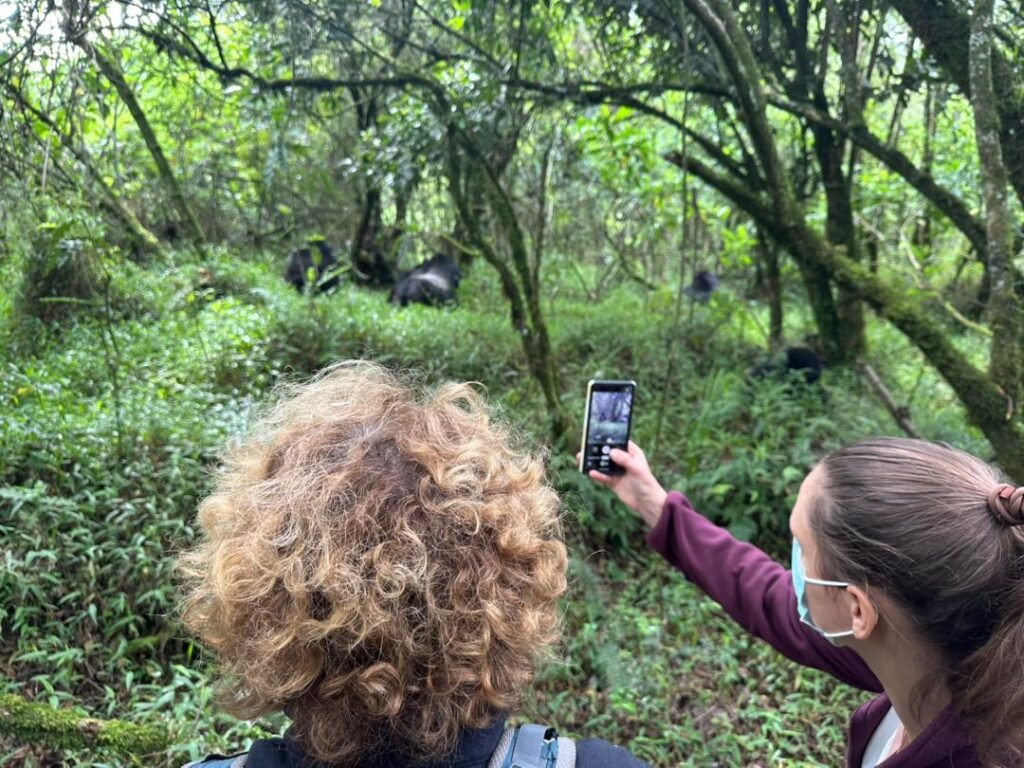
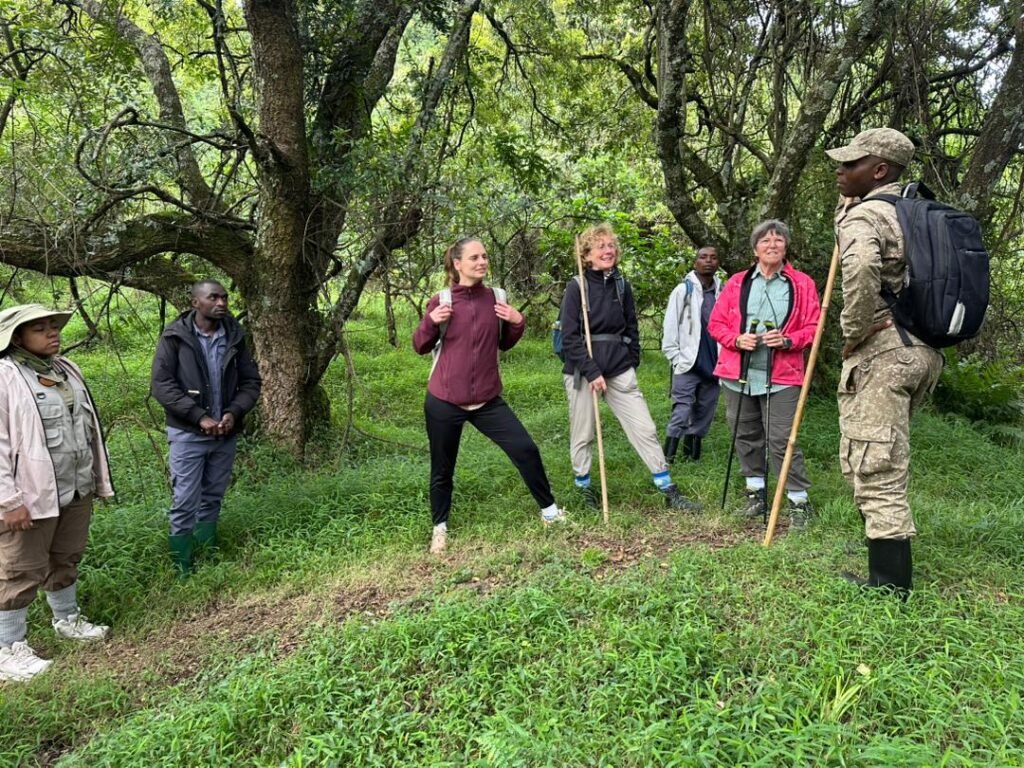
Gorilla tracking is not a zoo visit — it is a guided hike through dense, high-altitude rainforest in search of a habituated gorilla family. Treks begin early in the morning with a briefing from park rangers, who assign visitors to specific gorilla groups based on fitness level and the group’s last known location. From there, small teams of up to eight tourists, accompanied by armed rangers and experienced trackers, follow trails, gorilla dung, broken vegetation, and radio updates from advance trackers who locate the family overnight.
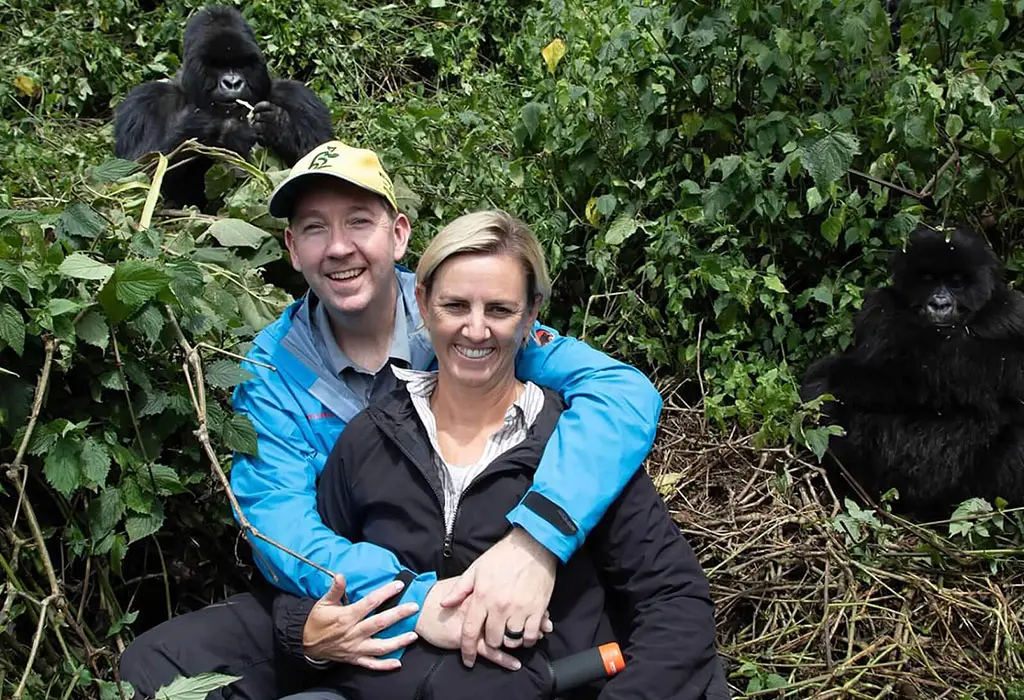
The hike itself can take anywhere from 30 minutes to a full 6–8 hours depending on where the gorillas have moved, the terrain, and the specific park. Once the family is found, visitors are permitted exactly one hour in their presence, observing silverbacks, mothers with infants, and playful juveniles from a respectful distance of about seven metres. It is an intensely emotional, humbling experience that most travelers describe as the highlight of their entire life, not just their trip.
Best Gorilla Trekking Destinations in Uganda
Uganda is home to nearly half of the world’s remaining mountain gorillas, spread across two national parks.
Bwindi Impenetrable National Park, a UNESCO World Heritage Site, is Uganda’s flagship gorilla destination and hosts the vast majority of the country’s habituated gorilla families across four trekking sectors — Buhoma, Ruhija, Rushaga, and Nkuringo. Each sector has its own character, from Buhoma’s gentler trails to Rushaga’s proximity to the Rwanda border, which makes it especially popular with travelers doing a short gorilla safari from Kigali. You can read more about the park’s trekking sectors, altitude, and biodiversity on our dedicated Bwindi Impenetrable National Park destination page.
Mgahinga Gorilla National Park, Uganda’s smallest park, sits within the Virunga volcanic range and is home to a single habituated gorilla family, along with golden monkeys and three dormant volcanoes ideal for hiking. Because of its location right on the Rwanda border, Mgahinga is a favourite for travelers combining a quick gorilla trek with onward travel to Kigali. Learn more about trekking here on our Mgahinga Gorilla National Park page.
Best Gorilla Trekking Destinations in Rwanda
Rwanda’s gorilla trekking is centered entirely on Volcanoes National Park, part of the same Virunga Massif ecosystem that stretches into Uganda and Congo. Volcanoes National Park is famous for its comparatively easier terrain, well-developed access roads, and proximity to Kigali — most trekking points are only a 2 to 3-hour drive from the capital, compared to the much longer transfers required to reach Bwindi from Entebbe. It is also the birthplace of Dian Fossey’s gorilla conservation work, and travelers can visit her research site and grave as part of a cultural add-on. Full details on permits, habituated families, and trekking difficulty are on our Volcanoes National Park destination page.
Rwanda’s gorilla experience tends to be slightly more polished and less physically demanding than Uganda’s, though it comes at a noticeably higher permit price — a trade-off we explain in detail in the next section.
Uganda vs Rwanda Gorilla Trekking: Which Should You Choose
This is the single most common question we get from travelers planning their first gorilla safari, and the honest answer is: it depends on your budget, time, and appetite for adventure.
Uganda offers significantly cheaper gorilla permits, more trekking sectors and habituated families (meaning better availability even during peak season), and a genuinely wilder, more rugged trekking experience through the “impenetrable” forest that gives Bwindi its name. The trade-off is longer road transfers if you are flying into Entebbe, since Bwindi sits roughly 8–10 hours by road from the capital.
Rwanda offers shorter transfer times from Kigali, better roads, more luxury lodge options, and a slightly gentler trekking experience through more open volcanic slopes — but permits cost significantly more than in Uganda. Many travelers solve this dilemma entirely by doing what thousands of our past clients have done: flying into Kigali, Rwanda, and trekking gorillas in Uganda’s Bwindi or Mgahinga parks via a short road transfer, getting Uganda’s lower permit price with Rwanda’s more convenient international airport. This is exactly the model behind our popular Uganda Gorilla Safaris Starting from Kigali collection.
Popular Short Gorilla Safaris Starting from Kigali
If your schedule is tight, you do not need a two-week trip to see mountain gorillas. Several of our most-booked itineraries are designed specifically for travelers flying into Kigali who want to trek in Uganda without sacrificing days of vacation:
- The 1-Day Uganda Gorilla Safari Starting from Kigali is a fast-paced but rewarding option for travelers with only 24 hours to spare — an early departure from Kigali, a full gorilla trek in Mgahinga or Rushaga, and a return transfer the same evening.
- The 2 Days Uganda Gorilla Tour Starting from Kigali breaks the journey into two calmer days, giving you an overnight stay near the park instead of a same-day round trip.
- The 3 Days Uganda Gorilla Safari from Rwanda adds an extra buffer day for relaxation, cultural encounters, or a second activity such as a village walk.
- The 5 Days Uganda Gorilla and Chimps Safari starting from Rwanda combines gorilla trekking with chimpanzee tracking for travelers who want two primate experiences in one trip.
Best Uganda-Only Gorilla and Primate Safaris
For travelers flying directly into Entebbe and staying entirely within Uganda, we recommend building your trip around one of these proven itineraries:
- The 3 Days Uganda Gorilla Safari is our most focused Bwindi-only itinerary, perfect for travelers who want the gorilla experience without extending their trip.
- The 3 Days Chimpanzee Tour in Uganda is ideal if gorillas are not your only primate priority — Kibale Forest offers some of the best chimp tracking on the continent.
- The 5-Day Uganda Gorilla and Chimpanzee Safari blends both primate experiences with time in Queen Elizabeth National Park for game drives.
- The 10 Days Uganda Primates and Wildlife safari is our most complete Uganda itinerary, covering Murchison Falls, Kibale, Queen Elizabeth, and Bwindi in a single circuit.
Best Rwanda-Only Gorilla and Wildlife Safaris
Rwanda’s compact size means you can pack an enormous amount of variety into a short trip:
- The 2 Days Volcanoes Gorilla Trek from Kigali is the fastest way to trek gorillas entirely within Rwanda.
- The 3 Days Rwanda Gorilla Tracking and Cultural Tour adds a visit to a local community or the Iby’Iwacu Cultural Village.
- The 5 Days best of Rwanda Primate Safari combines gorilla trekking with golden monkey tracking and Nyungwe chimpanzee tracking.
- The 5 Days Rwanda Wildlife and Gorillas safari pairs gorilla trekking with Big Five game drives and a boat safari in Akagera National Park.
- The 2 Days Nyungwe Chimps Tracking Trip is a good add-on for travelers who have already trekked gorillas and want a second primate encounter.
Combined Uganda-Rwanda and Extended East Africa Safaris
For travelers who genuinely want to see it all, combining both countries into one seamless circuit is often the most efficient use of flight time and vacation days. Popular combined itineraries include the 7 Days Uganda Rwanda Safari Adventure, the 10 Days Uganda Rwanda Safari, and for travelers with more time on their hands, the 15 Days Rwanda Uganda Safari and the ambitious 20 Days Uganda Rwanda Burundi Combo Safari.
If your travel plans stretch across the wider region, we also design multi-country circuits such as the 18 Days Kenya Rwanda Uganda Safari and the comprehensive 20 days East Africa Tour, both of which weave gorilla trekking into a much broader wildlife and cultural journey across the region.
Gorilla Permits: Costs, Booking, and Rules
A gorilla permit is a legal document issued by the respective wildlife authority — the Uganda Wildlife Authority in Uganda, or Rwanda Development Board in Rwanda — that grants you the right to spend one hour with a habituated gorilla family. Uganda’s permits are considerably cheaper than Rwanda’s, which is the single biggest cost driver when comparing the two countries.
Permits are limited in number each day because only a fixed number of habituated gorilla families exist and each family can only be visited by one small group per day. This means permits must be booked well in advance — ideally three to six months ahead for peak season travel in June through September and December through February — to guarantee availability on your preferred dates. At Gorilla Tracking Tours, we handle the entire permit booking process for our clients as part of every safari package, so you never need to deal directly with the wildlife authorities or risk missing out on availability.
A few important rules apply to every trek regardless of country: children under 15 are not permitted to trek, visitors displaying symptoms of contagious illness may be denied entry to protect the gorillas (who are highly susceptible to human diseases), and a maximum of eight visitors is allowed per gorilla family per day.
Best Time of Year for Gorilla Tracking in Uganda and Rwanda
Gorilla tracking is possible year-round in both countries since the parks remain open in all seasons, but timing still matters. The two dry seasons — roughly June to September and December to February — offer firmer, less slippery trails, making the trek physically easier and reducing the risk of heavy rain during your hour with the gorillas. These months are also peak season, meaning permits sell out faster and lodge prices rise accordingly.
The wetter months, particularly March to May and October to November, see fewer tourists and occasionally discounted permit rates in Uganda, but trails become muddier and more physically demanding. Many experienced trekkers actually prefer the wet season for its dramatically greener forest scenery and thinner crowds, provided they come prepared with the right gear, which we cover in the next section.
What to Pack for a Gorilla Trekking Safari
Packing correctly makes a real difference to how much you enjoy the trek itself. At minimum, we recommend sturdy waterproof hiking boots with ankle support, gardening or thick gloves to protect your hands from stinging nettles and thorny vegetation, a long-sleeved shirt and trousers tucked into socks to guard against biting ants, a light rain jacket, and a daypack with at least two litres of drinking water.
Other essentials include a wide-brimmed hat, insect repellent, a walking stick (often provided free at the park entrance), and a small first-aid kit. For photography, bring a zoom lens if possible, since flash photography is strictly prohibited near the gorillas to avoid startling them. Porters are available for hire at every trailhead for a modest fee, and we strongly encourage clients to use them — it is both genuinely helpful on steep terrain and an important source of income for surrounding communities.
Physical Fitness and Preparing for the Trek
You do not need to be an elite athlete to trek gorillas, but a reasonable baseline of fitness will make the experience far more enjoyable. Treks take place at altitudes between 1,500 and 2,600 metres, through dense, often muddy and steep terrain, and can last anywhere from under an hour to a full day depending on where the gorillas are located that morning.
If you have any concerns about fitness, mention them during booking — our team will do its best to match you with a gorilla family known to stay closer to the trailhead, and porters can be hired to carry your daypack and provide physical support on steep sections. Travelers with certain mobility limitations can also arrange for a sedan chair (a padded seat carried by a team of porters) in both Uganda and Rwanda, allowing almost anyone to reach the gorillas regardless of fitness level.
Combining Gorilla Trekking with a Big Five Wildlife Safari
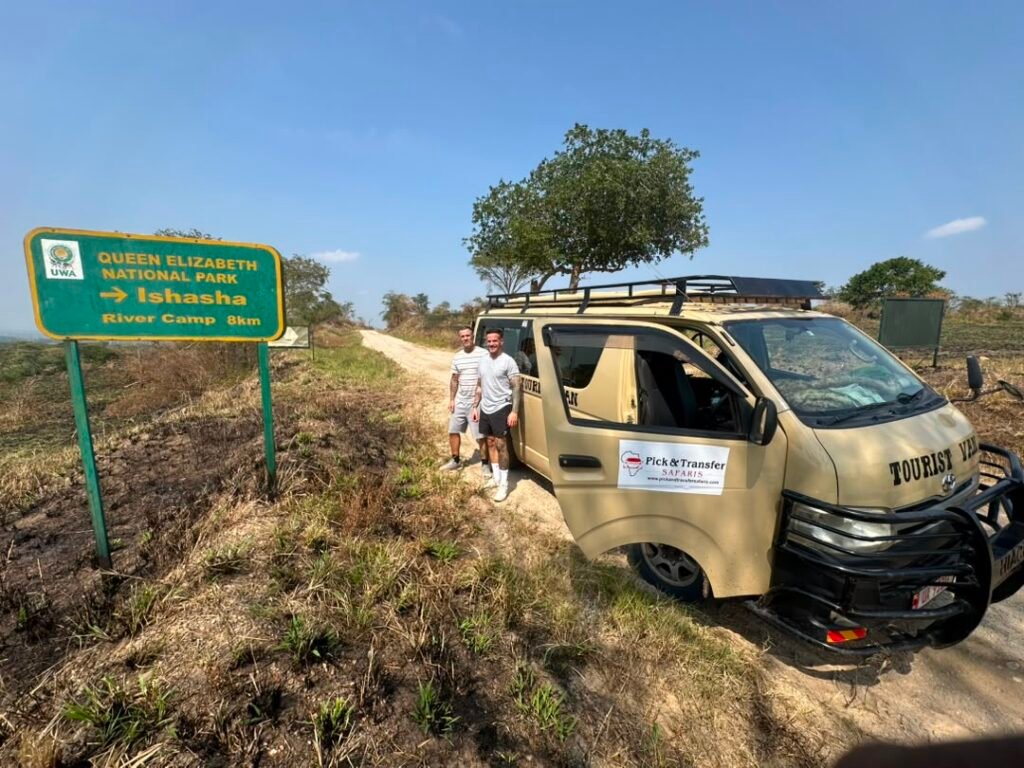
One of the biggest advantages of choosing Uganda and Rwanda over other gorilla destinations is how easily gorilla trekking pairs with classic African game viewing. In Uganda, Queen Elizabeth National Park is famous for its tree-climbing lions, a boat cruise along the wildlife-rich Kazinga Channel, and scenic crater lakes, while Murchison Falls National Park delivers the world’s most powerful natural waterfall alongside boat safaris on the Nile and chimpanzee tracking in Budongo Forest.
In Rwanda, Akagera National Park is the country’s only savannah reserve and home to the full Big Five, offering game drives and boat safaris that feel worlds away from the misty gorilla forests just a few hours south. Travelers who want both experiences in a single trip often choose itineraries like the 4 Days Wildlife and Primate Safari, the 3 Days Safari to Queen Elizabeth National Park, the 3 Days Safari to Murchison Falls, or on the Rwanda side, the 3 Days Akagera National Park Safari from Kigali and the 4 Days Rwanda Wildlife and City Tour.
For travelers who want to add Rwanda’s ancient rainforest to their circuit, the 3 Days Nyungwe Safari explores one of Africa’s oldest forests, home to chimpanzees, canopy walks, and over 13 primate species.
Extended Safaris for Travelers with More Time
If your schedule allows for a longer stay, extended itineraries let you cover far more ground without the rushed feeling of a short trip. Popular options in Uganda include the 7 Days Uganda Safari – One week tour, the birding-focused 18 Days Uganda Birding and Wildlife Safari, and the comprehensive 14-Day Uganda Primates and Safari Adventure.
In Rwanda, longer options include the 5 Days Rwanda Gorilla and Chimpanzee Safari, the 7 Days Best of Rwanda Safari, and the thorough 10 Days Rwanda Wildlife Gorilla Tour, which covers gorillas, chimpanzees, savannah wildlife, and Kigali city culture in a single, well-paced trip.
Self-Drive Gorilla Safaris: Freedom on Your Own Terms
For independent-minded travelers, a self-drive safari is an increasingly popular way to explore Uganda and Rwanda between gorilla trekking days. Renting a well-maintained 4×4, following expert-recommended routes, and stopping wherever wildlife or scenery catches your eye offers a level of freedom that a fully guided group tour cannot match. Our sister platform, Pick and Transfer Safaris, specializes in exactly this kind of flexible, budget-conscious trip planning, and their self-drive safari booking page is a useful resource if you are weighing self-drive against a guided itinerary.
That said, self-driving is not for everyone. Road conditions in remote areas near Bwindi can be challenging, especially in the rainy season, and navigating border crossings between Uganda and Rwanda requires the right paperwork and patience. Most first-time visitors to the region still opt for a guided safari with a professional driver-guide, which removes the stress of navigation, border logistics, and vehicle troubleshooting entirely.
Gorilla Trekking Starting from Kigali: A Growing Trend
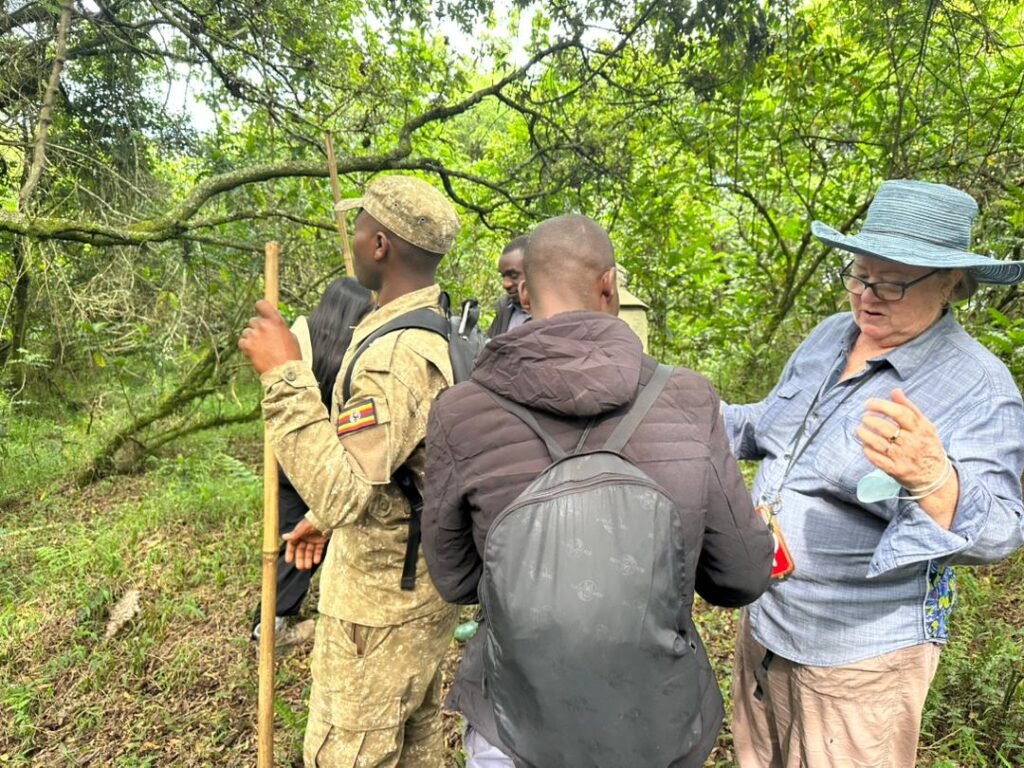
An increasing share of gorilla trekkers are choosing to fly into Kigali International Airport rather than Entebbe, even when their trek takes place in Uganda. The reasoning is simple: Kigali is a shorter, more direct international connection for many travelers, the city itself is clean, safe, and easy to navigate, and the drive from Kigali to Uganda’s southwestern trekking sectors — particularly Rushaga and Mgahinga — is considerably shorter than the long haul from Entebbe.
This cross-border model, sometimes marketed as Uganda Gorilla Trekking Starting from Kigali, has become one of the most requested itinerary types among our international clients, particularly those from the United States and Europe who want to minimize time spent on the road and maximize time in the forest.
Responsible and Sustainable Gorilla Tourism
Mountain gorillas were once classified as critically endangered, and while conservation efforts have improved their status, their survival still depends heavily on responsible tourism. A portion of every gorilla permit fee funds park protection, anti-poaching patrols, and veterinary care for the gorilla population, while local communities living around the parks benefit directly through employment as guides, porters, and lodge staff, as well as through revenue-sharing programs tied to tourism income.
At Gorilla Tracking Tours, part of our profits goes toward supporting local orphans and community development projects through the Kigezi Foundation, reflecting our belief that sustainable tourism should give back meaningfully to the people and places that make these experiences possible. Choosing a licensed, community-minded operator — rather than the cheapest unlicensed option available — is one of the most impactful decisions you can make as a responsible gorilla trekking tourist.
How to Choose the Best Gorilla Tracking Safari Operator
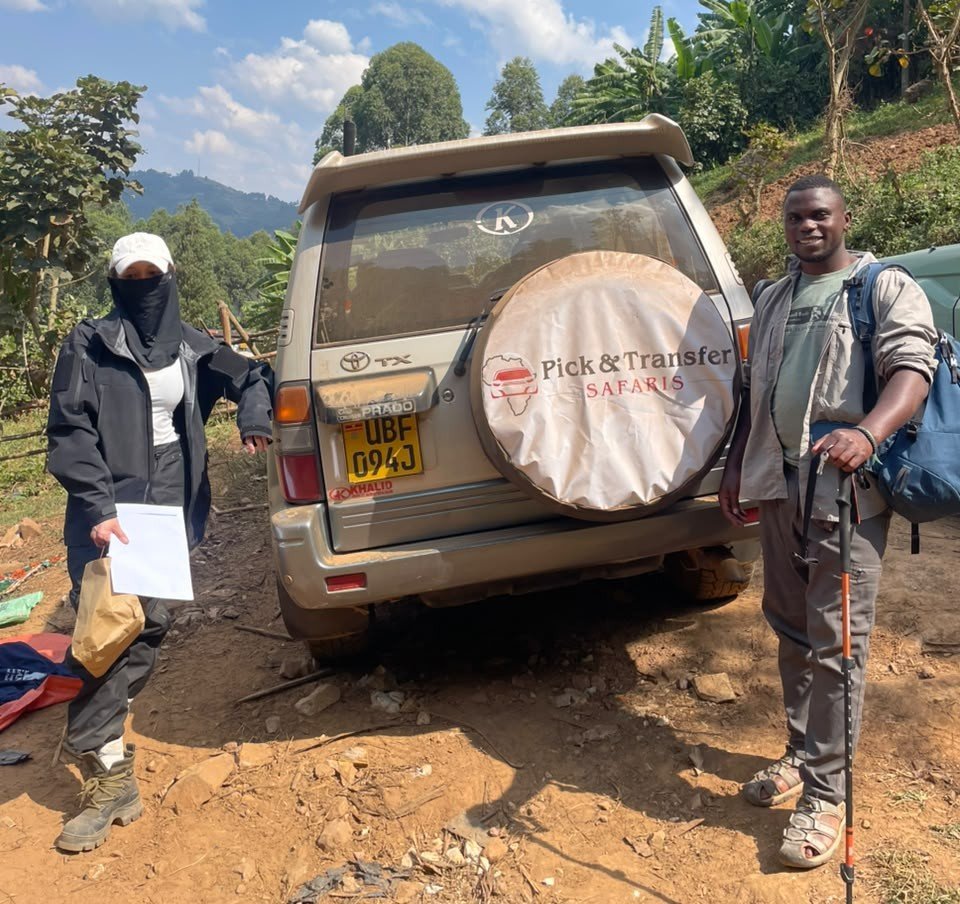
With so many operators offering gorilla safaris across Uganda and Rwanda, choosing the right one matters enormously. Look for an operator that handles permit booking directly and transparently, provides well-maintained vehicles and experienced driver-guides, offers flexible itineraries rather than rigid one-size-fits-all packages, and has verifiable reviews from past clients, such as those found on TripAdvisor.
Price is important, but it should never be the only factor — an operator offering suspiciously cheap permits or accommodation may be cutting corners on safety, vehicle quality, or park compliance. At Gorilla Tracking Tours, our packages are deliberately built around budget and mid-range travelers without compromising on permit authenticity, vehicle safety, or guide experience, which is why so many of our clients return for a second trip or refer friends and family.
Sample Day-by-Day Itinerary: A Typical Gorilla Trekking Safari
To help you visualize what a real gorilla safari looks like on the ground, here is a simplified breakdown of a typical short itinerary combining Kigali arrival with Uganda gorilla trekking, similar in structure to our 2 Days Uganda Gorilla Tour Starting from Kigali.
Day 1: Early morning pickup from your Kigali hotel or the airport, followed by a scenic road transfer across the Rwanda-Uganda border into southwestern Uganda. Depending on traffic and border processing, this leg typically takes three to four hours. You arrive at your lodge near the trekking sector in time for lunch and an afternoon at leisure, followed by a briefing on the following day’s trek.
Day 2: An early wake-up call, breakfast before sunrise, and a short drive to the park headquarters for the official rangers’ briefing at 7:00 or 7:30 AM. Trekking begins shortly after, lasting anywhere from one to six hours depending on where the gorilla family has moved overnight. After your hour with the gorillas, you hike back to the trailhead, enjoy a late lunch, and begin the return transfer to Kigali, arriving in the evening.
Longer itineraries simply add more trekking days, additional national parks, cultural visits, or Big Five game drives around this same core structure — a morning briefing, a forest trek, and free time for relaxation or wildlife viewing in the afternoon.
Gorilla Habituation Experience: An Alternative to Standard Trekking
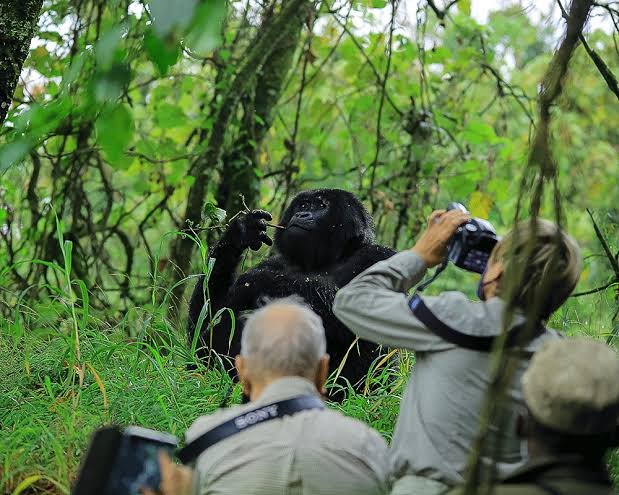
For travelers seeking a deeper, less rushed encounter, several parks in Uganda offer a Gorilla Habituation Experience — a specialized permit that allows small groups of just four visitors to spend up to four hours with a gorilla family that is still in the process of becoming accustomed to human presence, rather than the standard one-hour visit with a fully habituated family. This experience takes place primarily in Bwindi’s Rushaga sector and offers a rare, research-style perspective on gorilla behaviour, family dynamics, and the habituation process itself.
Because habituation permits are more limited and more expensive than standard trekking permits, they tend to appeal most to photographers, primatologists, repeat visitors, and travelers who want the most immersive gorilla encounter available anywhere in the world. If this interests you, mention it when requesting your itinerary and our team will check current availability for your travel dates.
Where to Stay: Lodging Options Near the Gorilla Trekking Parks
Accommodation near Uganda and Rwanda’s gorilla parks spans the full range from budget guesthouses to award-winning luxury lodges, and your choice will significantly affect the overall cost and comfort level of your trip. Budget and mid-range travelers can find comfortable, clean lodges close to the various trailheads offering hot showers, solid meals, and easy access to the park headquarters — exactly the kind of accommodation our affordable safari packages are built around.
Travelers seeking a more indulgent experience can choose from a growing number of high-end eco-lodges perched on hillsides overlooking the forest canopy, many of which channel a portion of guest revenue directly into local conservation and community projects. Whichever tier fits your budget, we recommend booking accommodation well in advance for peak season travel, since the best-located lodges near Bwindi, Mgahinga, and Volcanoes National Park sell out quickly during the June–September and December–February high seasons.
Cultural Experiences to Pair with Your Gorilla Trek
Gorilla trekking pairs naturally with cultural encounters that add depth and context to your trip. Near Bwindi, travelers can visit Batwa Pygmy communities, the original forest-dwelling inhabitants of the region, for guided walks that share traditional hunting and forest-survival knowledge passed down for generations. Near Volcanoes National Park in Rwanda, the Iby’Iwacu Cultural Village offers demonstrations of traditional dance, brewing, and homestead life, while Kigali itself offers a moving and important stop at the Kigali Genocide Memorial for travelers interested in the country’s modern history.
These cultural add-ons typically require only half a day and can be slotted into almost any itinerary, whether you are on a fast-paced short trek or a longer combined safari. Our Kigali City destination guide covers the best cultural stops available in and around Rwanda’s capital.
Weather and Climate: What the Forest Feels Like Year-Round
Both Bwindi and Volcanoes National Park sit at relatively high altitude, which means temperatures are noticeably cooler than the popular image of tropical Africa. Daytime temperatures typically range between 15°C and 22°C, dropping further at night and in the early morning, so packing warm layers for the start and end of your trekking day is essential even during the dry season.
Rainfall can occur in any month given the parks’ rainforest ecosystems, but it is heaviest during the two wet seasons of March–May and September–November. Even during the official dry seasons, a light shower is not unusual, which is why a good rain jacket remains essential gear regardless of when you travel, as covered earlier in our packing section.
Visas, Flights, and Getting to the Trailhead
Most travelers begin their journey by flying into either Kigali International Airport in Rwanda or Entebbe International Airport in Uganda, both of which are well served by major international carriers connecting through Europe, the Middle East, and increasingly direct routes from the United States. Both countries operate straightforward e-visa systems that can typically be processed online within a few business days, and Rwanda offers visa-free or visa-on-arrival access to citizens of many African Union and Commonwealth countries.
From the airport, the journey to the actual trailhead is where itineraries diverge most. Travelers landing in Kigali enjoy a relatively short two-to-four-hour drive to either Volcanoes National Park or the Uganda border crossing near Cyanika, making Rwanda the more time-efficient entry point for many first-time visitors. Travelers landing in Entebbe face a longer eight-to-ten-hour drive to reach Bwindi, which is why many of our clients either book an internal domestic flight to Kihihi or Kisoro airstrip to cut travel time, or choose to break up the long road journey with a stopover in Queen Elizabeth National Park along the way — turning transfer time into additional wildlife viewing.
What Sets a Great Gorilla Safari Package Apart
Not every “gorilla safari package” advertised online delivers the same value. A genuinely well-built itinerary accounts for realistic driving times between destinations rather than cramming in more parks than the calendar allows, builds in rest time after long trekking days, and pairs each traveler with accommodation that matches their comfort expectations and budget rather than a one-size-fits-all default.
It should also include full transparency on what is and is not covered — permits, park entrance fees, transport, meals, and guide fees should be spelled out clearly before you commit, with no hidden costs added later. When you request a quote through Gorilla Tracking Tours, our team builds a detailed day-by-day breakdown so you know exactly what your trip includes before you pay a deposit, and we remain available throughout your trip for on-the-ground support if plans need to change.
Frequently Asked Questions About Uganda and Rwanda Gorilla Safaris
How much does gorilla trekking cost in Uganda and Rwanda? Uganda’s gorilla permits are significantly cheaper than Rwanda’s, and total trip cost depends heavily on your choice of accommodation, group size, and itinerary length. We recommend requesting a personalized quote through our contact page for the most accurate, up-to-date pricing.
Can I trek gorillas in Uganda if I fly into Rwanda? Yes. This is one of the most popular options we arrange, and it is the foundation of our short gorilla safaris starting from Kigali.
Is gorilla trekking safe? Yes, when done through a licensed operator with trained ranger escorts. Rangers carry radios and, in some parks, firearms for protection against wild animals, and strict distance rules protect both visitors and gorillas.
What is the minimum age for gorilla trekking? Both Uganda and Rwanda require trekkers to be at least 15 years old.
How fit do I need to be? A moderate fitness level helps, but porters, walking sticks, and sedan chairs are available to support trekkers of varying ability levels, as explained earlier in this guide.
Can gorilla trekking be combined with other wildlife safaris? Absolutely — most of our clients combine gorilla trekking with game drives, chimpanzee tracking, or a Nile boat cruise, as outlined in our wildlife safaris collection.
Start Planning Your Uganda Rwanda Gorilla Tracking Safari Today
Uganda and Rwanda remain, without question, the best places on earth to track mountain gorillas in the wild — combining unmatched wildlife encounters with warm hospitality, rich culture, and increasingly seamless cross-border travel between the two countries. Whether you have just one day to spare on a short Kigali gorilla trek or three weeks to explore the entire East African circuit, there is an itinerary built for your budget and timeline.
Explore our full range of destinations and gorilla safaris, or reach out directly through our contact page to start building your personalized, affordable Uganda Rwanda gorilla tracking safari with a team that lives and works in the region we send you to explore.