- LET'S PLAN YOUR SAFARI
- +256 200 921 002
- +256 793 194 703
- info@gorillatrackingtours.com

Short Uganda Gorilla Trekking Safaris
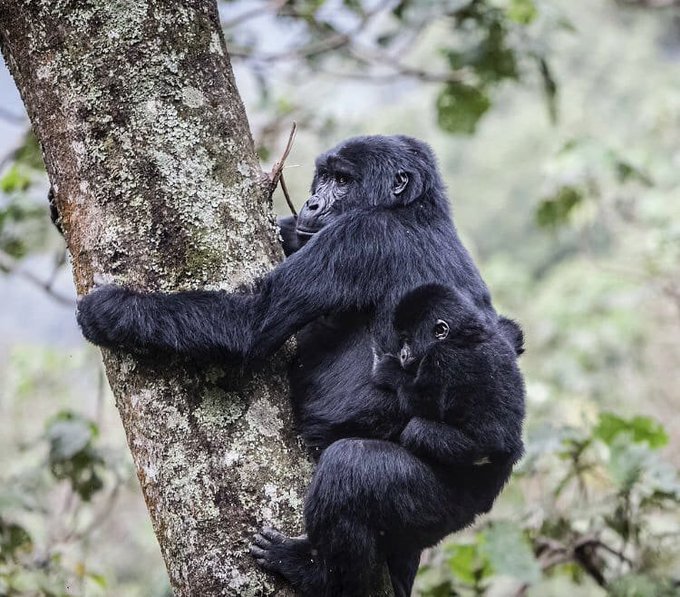
Short Uganda Gorilla Trekking Safaris. Not everyone has two weeks to spare for an African adventure, and the good news is that you do not need that much time to track mountain gorillas in the wild. A short Uganda gorilla trekking safari — anywhere from one to three days — is one of the most popular ways travelers experience Uganda’s Bwindi Impenetrable National Park and Mgahinga Gorilla National Park, especially for those with a tight schedule, a stopover between other trips, or a limited vacation budget of time rather than money.
At Gorilla Tracking Tours, Short Uganda Gorilla Trekking Safaris are one of our most requested product categories, and for good reason: they deliver the full, unforgettable one-hour gorilla encounter without requiring you to sacrifice a week or more of your trip. This guide breaks down exactly how short a gorilla safari can realistically be, which itinerary length suits your circumstances, and how to plan every detail from permits to packing.
Why Choose a Short Gorilla Trekking Safari
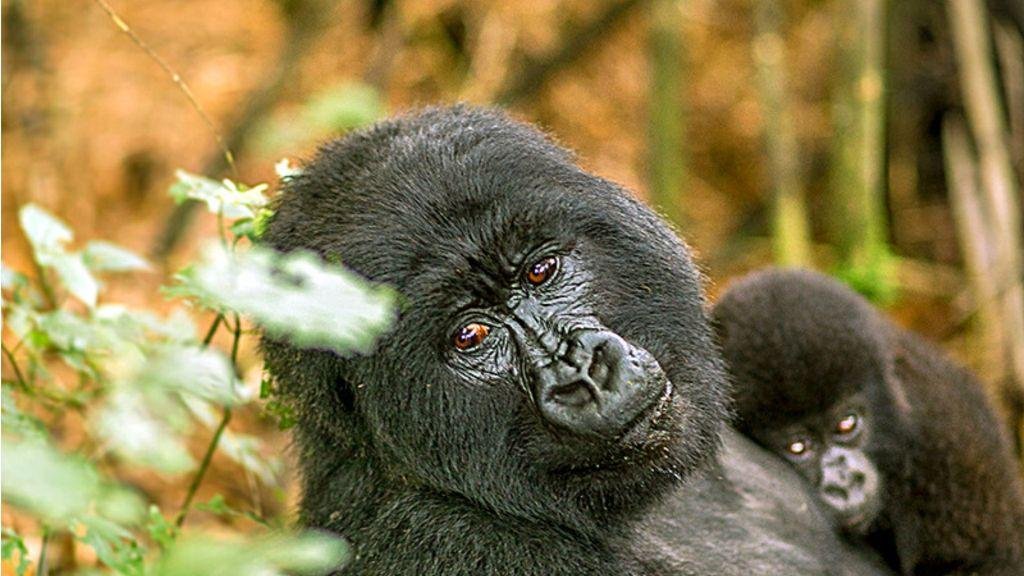
The single biggest advantage of a short gorilla safari is time efficiency. Many international travelers combine a short gorilla trek with a business trip, a longer safari elsewhere in East Africa, or a stopover en route to another destination — and a well-planned one, two, or three-day itinerary lets you tick “see mountain gorillas” off your bucket list without restructuring your entire trip around it.
Short Uganda Gorilla Trekking Safaris are also considerably more affordable in absolute terms, since fewer nights of accommodation and fewer days of vehicle hire and guide fees are required. That said, the gorilla permit fee itself remains the same whether you trek for one day or twenty, so a short safari is not necessarily “cheap” — it is simply efficient. For travelers who genuinely cannot spare more than a few days but still want a world-class wildlife encounter, a short gorilla trekking safari is very often the perfect solution.
How Short Is Short? What’s Realistic in 1, 2, or 3 Days
Before booking, it helps to understand what each short itinerary length actually involves on the ground, since the trekking experience itself does not change — only the amount of travel time and buffer built around it does.
A genuine one-day gorilla safari is only realistic for travelers already based in or near Kigali, Rwanda, since it involves an early departure, a border crossing, the trek itself, and a same-day return, all within roughly 16 to 18 hours. It is intense but entirely doable, and it remains our most requested express option.
A two-day gorilla safari breaks that same journey into two calmer days, with an overnight stay near the park instead of a marathon single day. This is the sweet spot for most travelers who want the short-safari time savings without the rush of a same-day round trip.
A three-day gorilla safari adds a genuine buffer day, giving you time to rest, explore a nearby cultural site, or simply enjoy your lodge without an immediate deadline to get back on the road. It remains short enough to fit into almost any broader travel itinerary while feeling noticeably less rushed than the one or two-day options.
Best Short Gorilla Safaris Starting from Kigali, Rwanda
Because Kigali International Airport offers shorter, more convenient international connections than Entebbe for many travelers, and because the drive from Kigali to Uganda’s southwestern trekking sectors is dramatically shorter than the drive from Entebbe, a large share of our short gorilla safari clients choose to fly into Rwanda and trek in Uganda. This cross-border approach captures Uganda’s lower permit price while keeping total travel time to an absolute minimum.
Our most popular short itineraries in this category include:
- The 1 Day Uganda Gorilla Safari Starting from Kigali, our fastest option, ideal for travelers who can spare only a single full day but still want a genuine gorilla trekking experience in Mgahinga or Rushaga.
- The 2 Days Uganda Gorilla Tour Starting from Kigali, which spreads the same core journey across two days with an overnight stay near the park, removing the same-day rush.
- The 3 Days Uganda Gorilla Safari from Rwanda, which adds a full extra day for relaxation or a cultural add-on before the return transfer to Kigali.
All three of these itineraries fall under our broader Uganda Gorilla Safaris Starting from Kigali collection, where you can compare each option side by side.
Best Short Gorilla Safaris Starting from Entebbe, Uganda
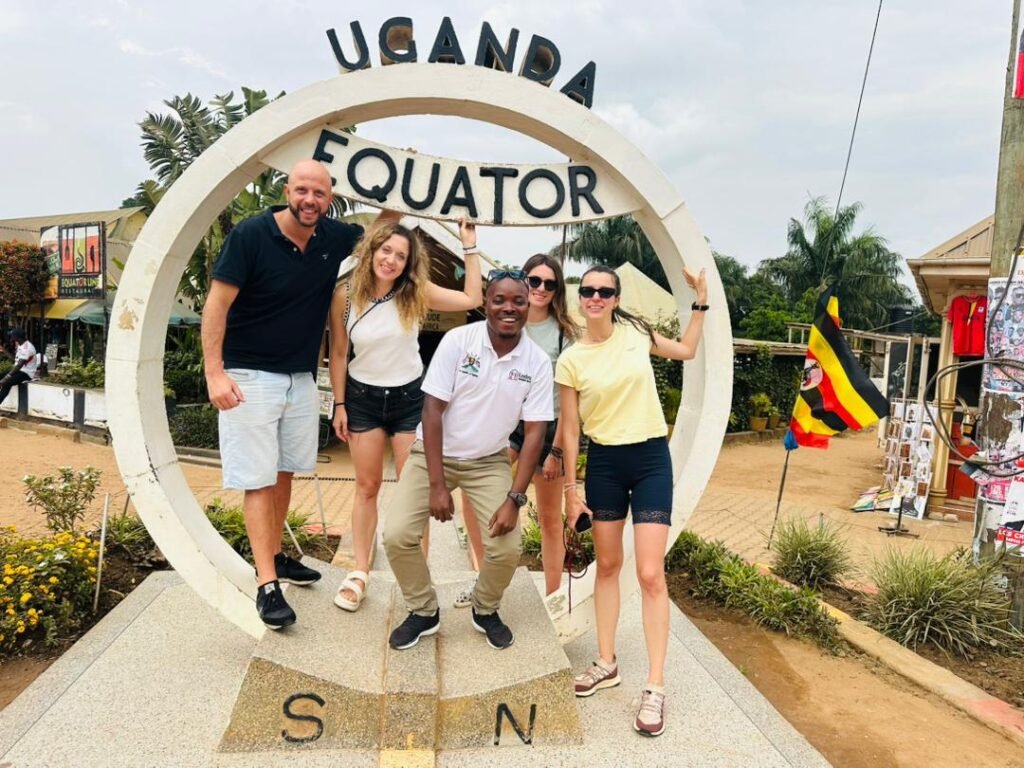
If you are already in Uganda or flying directly into Entebbe International Airport, a short gorilla safari is still very achievable, though the longer road distance to Bwindi means a one-day round trip is not realistic from this side of the border. Instead, most Entebbe-based short safaris are built around a minimum of three days, allowing for the long transfer down to the southwest, the trek itself, and the return journey without excessive back-to-back driving.
Our 3 Days Uganda Gorilla Safari is specifically designed for this scenario — a focused, no-frills itinerary that gets you to Bwindi, completes your trek, and returns you to Entebbe within a tight three-day window. Travelers who want to add a second primate experience without extending their trip much further often upgrade to the 3 Days Chimpanzee Tour in Uganda or, for those with slightly more flexibility, the 5-Day Uganda Gorilla and Chimpanzee Safari, which comfortably fits both gorillas and chimps into a still-compact trip.
Choosing the Right Sector: Rushaga, Mgahinga, or Buhoma for Short Trips
Bwindi Impenetrable National Park is divided into four trekking sectors — Buhoma, Ruhija, Rushaga, and Nkuringo — each with its own access road and cluster of habituated gorilla families. For short, Kigali-based itineraries, Rushaga is by far the most practical choice, since it sits closest to the Uganda-Rwanda border and offers the shortest possible drive time from Kigali, making it the backbone of nearly every one and two-day itinerary we run.
Mgahinga Gorilla National Park, home to a single habituated gorilla family alongside golden monkeys, is another excellent short-safari option thanks to its location directly on the border, though its solitary gorilla family means fewer permit slots are available on any given day. You can compare trekking conditions, altitude, and access routes on our Mgahinga Gorilla National Park and Bwindi Impenetrable National Park destination pages. Buhoma and Ruhija, while beautiful, sit much further north within Bwindi and are generally not practical for one or two-day itineraries originating from Kigali, since the additional driving time defeats the purpose of a short safari.
Sample Itinerary: A One-Day Gorilla Trekking Safari from Kigali
To understand exactly what a single-day gorilla safari involves, here is a realistic hour-by-hour outline:
3:00–4:00 AM – Early pickup from your Kigali hotel and departure toward the Uganda border. 6:00–7:00 AM – Border crossing at Cyanika, followed by a short onward drive to the Rushaga or Mgahinga park headquarters. 7:30 AM – Rangers’ briefing, group assignment, and departure into the forest. 8:00 AM–2:00 PM – The trek itself, including your one-hour gorilla encounter, timing dependent on the family’s location that morning. 2:00–3:00 PM – Return to the trailhead, brief rest, and a packed or quick lunch. 3:00–7:00 PM – Return drive across the border to Kigali, typically arriving in the early evening.
It is a long, full day, but for travelers with genuinely limited time, it remains one of the most efficient ways to add a world-class wildlife encounter to an otherwise packed schedule.
Sample Itinerary: A Three-Day Gorilla Trekking Safari
A three-day itinerary offers noticeably more breathing room. Day one covers the transfer from Kigali or Entebbe to your lodge near the trekking sector, with the afternoon left free for rest or a short nature walk. Day two is dedicated entirely to the gorilla trek itself, following the same morning briefing and forest-trekking structure as the one-day option, but without the pressure of an immediate return journey afterward. Day three can be used for a relaxed morning at the lodge, a cultural visit to a nearby Batwa community, or simply an unhurried return transfer, arriving back in Kigali or Entebbe well before evening.
This structure is exactly what our 3 Days Uganda Gorilla Safari from Rwanda and 3 Days Uganda Gorilla Safari itineraries are built around, giving travelers the shortest possible trip that still feels genuinely relaxed rather than rushed.
Gorilla Permits for Short Safaris: Cost, Booking, and Urgency
A gorilla trekking permit issued by the Uganda Wildlife Authority grants a single visitor one hour with a habituated gorilla family, and this cost does not decrease simply because your overall trip is short. Because permits are limited to a fixed number of daily slots per gorilla family, and short safaris often target specific sectors like Rushaga for their border proximity, booking early is arguably even more important for short itineraries than for longer ones — there is no flexibility to shift your trek to a different day if your preferred date is sold out.
We strongly recommend booking your permit at least two to three months in advance for a short gorilla safari, and up to six months ahead for travel during the peak dry seasons of June–September and December–February. At Gorilla Tracking Tours, we handle the entire permit reservation process on your behalf as part of every short safari package, confirming your exact trekking date before you finalize your flights.
Pros and Cons of a Short Gorilla Trekking Safari
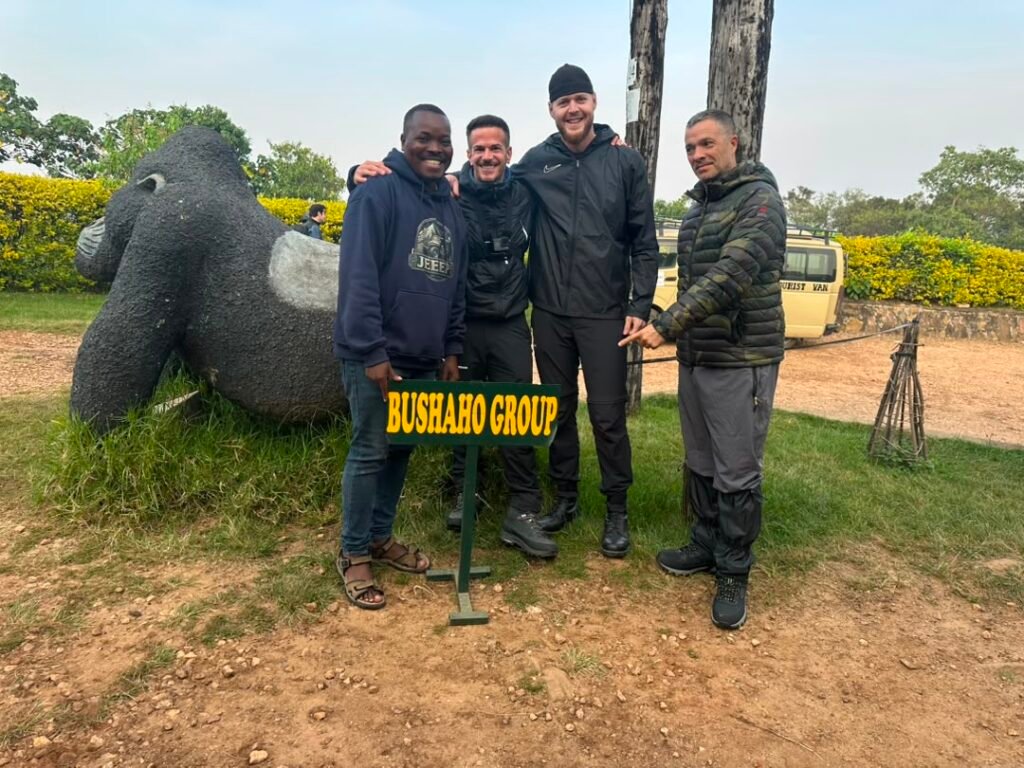
Like any travel decision, choosing a short safari involves trade-offs worth understanding upfront. On the positive side, short safaris require minimal vacation time, cost less overall due to fewer accommodation nights, and slot easily into a broader multi-country trip or business travel schedule. They also mean less time spent on long game drives or repeated forest walks if gorilla trekking is your primary interest rather than an extended wildlife safari.
The trade-offs are real too: a one-day itinerary in particular involves a genuinely long, tiring day with very little downtime, there is no buffer day if weather, road conditions, or unexpected delays disrupt your schedule, and you will not have time to combine your trek with additional wildlife or cultural experiences unless you extend to at least three days. Travelers prone to jet lag or motion sickness on long drives may find a two or three-day version considerably more comfortable than the single-day express option.
What to Pack for a Short, Fast-Paced Gorilla Trek
Packing light matters even more on a short safari, since you will likely be living out of a single small bag for one to three days. Prioritize the essentials: sturdy waterproof hiking boots, a light rain jacket, a long-sleeved shirt and trousers to protect against nettles and biting ants, gardening gloves, a hat, sunscreen, and insect repellent. A daypack with at least two litres of water is essential for the trek itself, and a portable charger is worth including given the long hours away from a power outlet on a one-day itinerary.
Because short safaris often involve tight timing around border crossings, keep your passport, visa documentation, and permit confirmation easily accessible rather than buried at the bottom of your luggage — border officials and park rangers will need to check these documents at multiple points during the day.
Fitness Considerations for a Compressed Trekking Schedule
A sShort Uganda Gorilla Trekking Safaris does not require greater fitness than a longer one — the trek itself is identical regardless of how many days surround it — but the compressed schedule does mean less time to recover between activities. On a one-day itinerary in particular, you will be trekking directly after several hours in a vehicle, with little opportunity to rest before the return journey begins.
If you have any concerns about stamina, we recommend choosing the two or three-day version over the single-day express option, since the overnight stay allows your body genuine rest before and after the physical exertion of the trek. Porters remain available for hire at every trailhead regardless of itinerary length, and we encourage all short-safari clients to use them, both for practical support and as a meaningful source of local income.
Combining a Short Gorilla Trek with Other Quick Add-Ons
Even within a compressed itinerary, there is often room for one additional experience. Travelers on our three-day itineraries frequently add a short cultural visit to a Batwa community near Bwindi, a scenic stop at the Rwanda-Uganda border viewpoints, or an extra half-day of relaxation at their lodge before departing. For those willing to extend just slightly beyond three days, the 5 Days Uganda Gorilla and Chimps Safari starting from Rwanda adds chimpanzee tracking to the itinerary while remaining well within the “short safari” category for most travelers’ standards.
If you eventually want to expand your trip into a fuller wildlife circuit, our 4 Days Wildlife and Primate Safari is a natural next step up, blending a gorilla trek with Big Five game viewing in Queen Elizabeth National Park.
Self-Drive vs Guided for a Short Gorilla Safari
For most Short Uganda Gorilla Trekking Safaris, a professionally guided trip is strongly recommended over self-driving. The tight timing involved in a one or two-day itinerary — particularly the early border crossing and same-day return — leaves very little room for navigation errors, vehicle trouble, or unfamiliarity with local driving conditions. A professional driver-guide who knows the route, the border process, and the park logistics removes this risk entirely and lets you focus on the experience itself rather than the road.
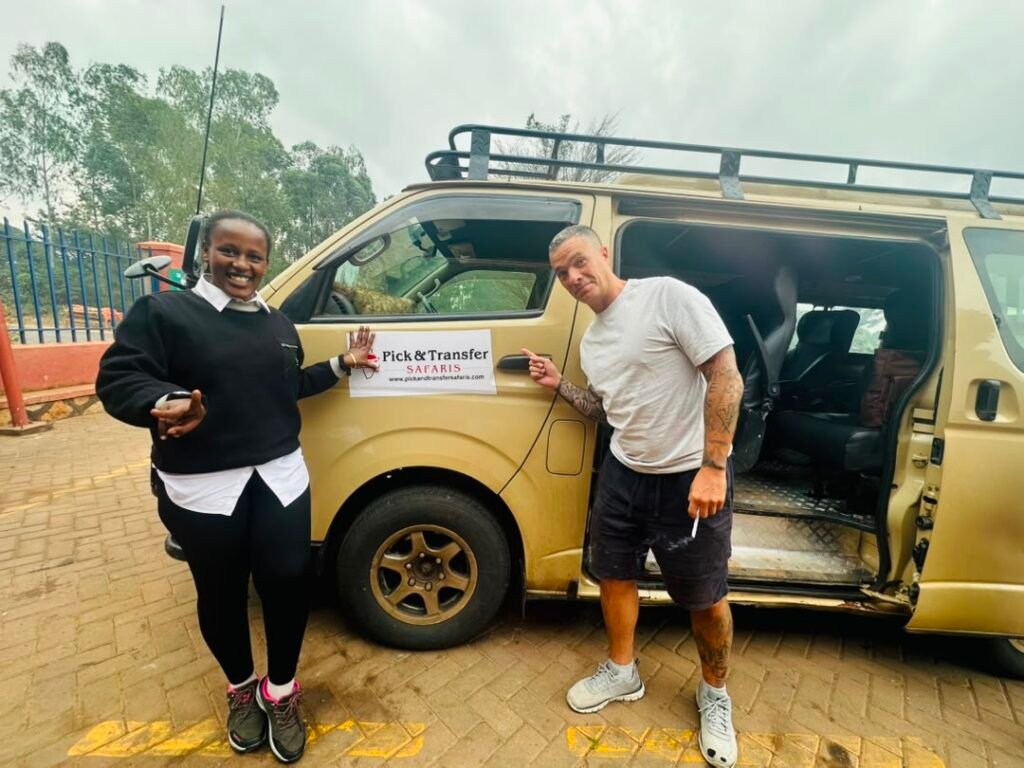
That said, more experienced independent travelers who are comfortable navigating East African roads sometimes prefer to self-drive a short gorilla safari for the added flexibility. If this appeals to you, our sister platform Pick and Transfer Safaris offers self-drive vehicle rental and route guidance through their self-drive booking page, which is worth reviewing before deciding between a guided or independent short trip.
Best Time of Year for a Short Gorilla Trekking Safari
Timing matters slightly more for short safaris than longer ones, since there is no buffer day to wait out bad weather or a difficult trek. The dry seasons — June through September and December through February — offer firmer trails and more predictable trekking conditions, making them the safest bet for travelers with only one or two days to work with.
If you are traveling during the wetter months of March–May or September–November, we recommend choosing the three-day option over the one-day express itinerary, since the extra buffer day gives you flexibility if muddy trails slow down your trek or if your transfer is delayed by rain-affected roads.
How to Choose the Right Operator for a Short Gorilla Safari
Short Uganda Gorilla Trekking Safaris leave little room for logistical error, which makes choosing an experienced, reliable operator even more important than it is for longer trips. Look for an operator that has direct experience running same-day and two-day cross-border itineraries specifically, since border crossing timing and park headquarters coordination require precise scheduling that not every general safari company handles well.
Confirm that your operator books your gorilla permit directly and provides written confirmation before your trip, uses well-maintained vehicles suited to both paved roads and the rougher stretches near the park, and offers a dedicated point of contact you can reach throughout your short trip in case timing needs to adjust. At Gorilla Tracking Tours, our short safari itineraries are built specifically around the realities of cross-border timing, and our team remains reachable throughout your trip for exactly this reason.
Cost Breakdown: What a Short Gorilla Safari Actually Includes
Understanding what goes into the price of a short gorilla safari helps you compare quotes accurately and avoid unpleasant surprises. A properly built package should include your gorilla trekking permit, ground transport in a well-maintained 4×4 vehicle, a professional English-speaking driver-guide, park entrance fees where applicable, and accommodation for any itinerary of two days or longer. Meals are typically included at your lodge but may not cover meals eaten during transit, so it is worth confirming this detail before you travel.
What Short Uganda Gorilla Trekking Safaris price usually does not include are international flights, visa fees, tips for your guide and porters, and travel insurance — all of which travelers should budget for separately. Because a one-day itinerary has no accommodation cost at all, it is often the cheapest short option in absolute dollar terms, even though it delivers the identical gorilla encounter as a longer, pricier trip. When requesting a quote through our contact page, ask for a full breakdown so you can see exactly where your money goes.
Crossing the Uganda-Rwanda Border: What Short Safari Travelers Should Know
For any short gorilla safari originating in Kigali, the Cyanika or Katuna border crossing is a critical checkpoint that directly affects your schedule. Both crossings are generally efficient, but travelers should carry their passport with at least six months of remaining validity, any required visa documentation, and be prepared for a short wait during busier travel periods, particularly around major holidays.
Your driver-guide will handle the immigration paperwork process and vehicle documentation on both sides of the border, but building in a small time buffer around the crossing — especially on a one-day itinerary where every hour matters — is a smart precaution. This is one of the many small logistical details that make working with an operator experienced in cross-border short safaris, rather than a generalist tour company, genuinely worthwhile.
Group Size and Private vs Shared Short Safaris
Short Uganda Gorilla Trekking Safaris can be booked either as a private trip for your own group or as part of a small shared group traveling with other independent travelers on the same dates. Private short safaris offer maximum flexibility — you set the departure time, choose your own pace during breaks, and are not dependent on other travelers’ schedules, which matters considerably on a tightly timed one-day itinerary.
If you are looking for Short Uganda Gorilla Trekking Safaris, shared group departures, where available, can reduce per-person cost since vehicle and guide fees are split among more travelers, making them an attractive option for solo travelers or couples on a tighter budget. Regardless of which option you choose, the gorilla trekking group itself in the forest is capped at eight visitors per family by park regulation, so your actual time with the gorillas is unaffected by whether you booked privately or as part of a shared transfer.
Weather Contingencies: What Happens If It Rains on Your Short Trek
Rain is always a possibility in a rainforest ecosystem, regardless of season, and short safari travelers sometimes worry about what happens if weather disrupts their single trekking day. The reassuring answer is that gorilla treks proceed in light to moderate rain — the forest is, after all, named for its unpredictable weather, and rangers and trackers work in these conditions year-round. Only in cases of genuinely severe weather or safety concerns would a trek be delayed, and this is rare.
The bigger practical consideration for short safaris is road conditions rather than the trek itself: heavy rain in the days before your trip can make already-rough sections of road slower to navigate, which is one more reason to build a small time buffer into any one-day itinerary if you are traveling during the wetter months of March–May or September–November. Choosing the two or three-day version during these months, as mentioned earlier, gives you meaningfully more flexibility if transfers run longer than expected.
Who Should Choose a Short Gorilla Safari Over a Longer One
A short gorilla trekking safari is the right fit for several distinct types of travelers: business travelers with a free day or two before or after work commitments in the region, travelers combining a short Uganda detour with a longer safari elsewhere in East Africa or a beach holiday in Zanzibar, budget-conscious travelers who want to minimize accommodation nights without giving up the gorilla experience itself, and repeat visitors who have already explored Uganda and Rwanda extensively and simply want to add another gorilla trek to their travel history.
Conversely, first-time visitors to East Africa with two weeks or more available are often better served by one of our longer combined itineraries, such as the 10 Days Uganda Rwanda Safari, which allows time to properly experience Big Five game drives, chimpanzee tracking, and cultural encounters alongside the gorilla trek itself, rather than compressing everything into a single-purpose short trip.
Frequently Asked Questions About Short Uganda Gorilla Trekking Safaris
Can I really see gorillas in just one day? Yes. Our 1 Day Uganda Gorilla Safari Starting from Kigali is a genuine, complete gorilla trekking experience compressed into a single long day, most practical for travelers already in or near Kigali.
Is a one-day gorilla safari exhausting? It is a long day involving early departure, a border crossing, the trek itself, and a same-day return, so travelers with limited stamina may prefer the two or three-day version instead.
Do short gorilla safaris cost less than a full trip? The permit fee remains the same regardless of trip length, but overall cost is lower due to fewer accommodation nights and shorter vehicle hire, making short safaris a genuinely budget-friendly option in total spend.
Which sector is best for a short safari? Rushaga sector in Bwindi and Mgahinga Gorilla National Park are both closest to the Rwanda border and are used for nearly all of our short, Kigali-based itineraries.
Can I combine a short gorilla trek with other activities? Yes, particularly on the two and three-day itineraries, which leave room for a cultural visit or a relaxed extra day, as outlined earlier in this guide.
How far in advance should I book? We recommend booking your permit at least two to three months ahead, and up to six months ahead for peak season travel in June–September or December–February.
Start Planning Your Short Uganda Gorilla Trekking Safari
Short Uganda Gorilla Trekking Safaris proves that you do not need weeks of vacation time to experience one of Africa’s most extraordinary wildlife encounters. Whether you have just one long day to spare from Kigali or a comfortable three days to explore at a gentler pace, there is a well-tested itinerary ready to fit your schedule.
Browse our full range of gorilla safaris and destinations, or reach out directly through our contact page to confirm availability and start planning your short, unforgettable Uganda gorilla trekking safari today.